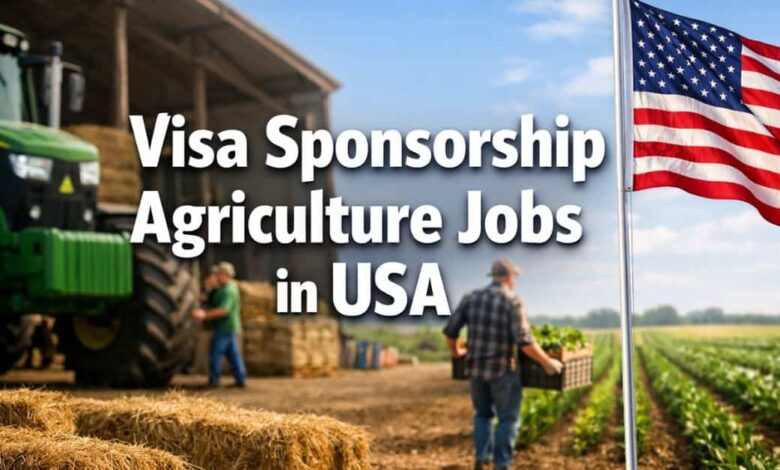
If you’re looking for hands-on work that rewards effort and skill, agriculture jobs in the USA could be your perfect fit. These positions typically offer salaries ranging from $2,200 to $4,000 per month, depending on your experience, location, and type of work. Whether you’re new to farming or have years of experience, there are roles for everyone from crop harvesting and farm maintenance to irrigation, animal care, and general farm duties.
These are physical, on-site jobs, giving you the chance to work in the fresh air, learn practical skills, and make a meaningful contribution to the agricultural community. Many employers also offer visa sponsorship, accommodation support, on-the-job training, and additional benefits, making it easier for international workers to start a new chapter in the USA.
Why There is Demand for Agriculture Jobs in USA:
Because of the significant role that agriculture plays in the national economy, the shortage of workers, and the increased output requirements, there is a high demand for agricultural occupations in the United States. Many distinct industries, including dairy, crop cultivation, and livestock farming, are included in the U.S. agricultural industry. This implies that there are numerous employment opportunities available to individuals from other countries.
1. Labor Shortages in Agriculture
- Labor shortages have persisted in the U.S. agriculture sector, particularly for positions that necessitate substantial physical exertion, such as the operation of machinery, the caring of animals, and the picking of fruit. Many companies are recruiting foreign laborers and funding their visas as a result of these deficiencies.
Check Also: Aircraft Cleaner Jobs in USA with Visa Sponsorship
2. Growth in Agricultural Exports
- The United States exports a significant quantity of agricultural products, including cereals, fruits, vegetables, and animals. As the global demand for these products increases, farms require additional personnel to maintain production levels, resulting in an increase in agricultural employment opportunities in the United States.
3. Seasonal Work Opportunities
- Many agricultural positions in the United States are seasonal, with the majority of individuals seeking employment during the cultivation and harvest seasons. The demand for foreign workers is particularly high for seasonal occupations due to the increased number of individuals required to complete the work.
4. Sustainability and Organic Farming
- There is an increasing demand for individuals who are proficient in eco-friendly practices as more farms in the United States transition to organic and sustainable agricultural methods. This has exacerbated the demand for agricultural professionals in the United States.
Salary Expectations:
A reasonable wage is offered by numerous agricultural positions in the United States, with an average hourly wage of $26.44. Conversely, salary may fluctuate contingent upon the position, location, and level of expertise.
Entry-Level Positions
- Individuals who are just beginning their careers in agriculture in the United States can anticipate earning between $20 and $24 per hour. The majority of these positions necessitate physical labor, such as the caring of animals, the harvesting of crops, or the assistance with irrigation. Training is not required for the majority of entry-level positions.
Experienced Agricultural Workers
- Individuals with extensive experience, particularly those who are proficient in the operation of farms or the operation of agricultural apparatus, may earn an hourly wage of $26.44 or more. Additional responsibilities are frequently assigned to individuals in these roles, such as overseeing teams or maintaining intricate agricultural equipment.
Overtime and Seasonal Bonuses
- Many agricultural positions offer additional compensation for working additional hours, particularly during periods of high demand. Additionally, employees may receive additional compensation for performing exceptional work during critical harvest periods or during the summer.
Additional Benefits
- In addition to hourly compensation, certain organizations furnish employees with accommodation, meals, transportation, and health insurance. These advantages can significantly reduce the cost of living for individuals from other countries who are employed in agricultural positions in the United States.
Benefits:
- Competitive Salaries – Earn between $2,200 and $4,000 per month, with opportunities for overtime and seasonal bonuses.
- Visa Sponsorship – Many employers support H-2A visas, making legal employment accessible for international workers.
- Accommodation & Meals – Housing, food, and transportation are often provided, reducing living expenses.
- On-the-Job Training – Gain practical skills in crop cultivation, animal care, machinery operation, and sustainable farming.
- Career Growth – Experience can lead to supervisory roles, specialized positions, or long-term employment opportunities.
- Hands-On Experience – Work outdoors, stay active, and contribute directly to food production and farm operations.
- Safety & Support – Employers ensure adherence to health and safety standards, creating a secure work environment.
- Seasonal & Flexible Work – Ideal for those seeking temporary or seasonal roles while earning a stable income.
Job Responsibilities:
Jobs in the agricultural sector in the United States encompass a variety of responsibilities that are contingent upon the specific property and position. Farm laborers are frequently required to perform the following tasks:
1. Planting and Harvesting Crops
- Workers are responsible for the planting of seeds, the maintenance of well-maintained areas, and the timely harvesting of commodities. This encompasses the utilization of machinery or instruments to expedite tasks, particularly during periods of high agricultural activity.
2. Tending to Livestock
- Livestock administrators are responsible for the safety and well-being of the animals on farms, which includes feeding and grooming them. Working with agricultural animals, including cows, sheep, pigs, and chickens, is a component of this.
3. Operating Agricultural Machinery
- Many agricultural positions in the United States necessitate the ability to operate tractors, harvesters, and irrigation systems. Experience with agricultural machinery is highly advantageous and may result in more lucrative employment opportunities.
4. Maintaining Farm Infrastructure
- Individuals employed in the agricultural sector frequently supervise fences, stables, gardens, and other farm structures. This ensures the safety of the animals and crops and ensures the efficient operation of the farm.
5. Supporting Sustainable Farming Practices
- Composting, organic farming, and crop rotation are among the environmentally favorable practices that numerous farms are adopting. Individuals who specialize in sustainable agriculture may be requested to implement these techniques in order to promote environmentally friendly cultivation.
6. Following Health and Safety Regulations
- Workers are required to adhere to health and safety regulations in order to ensure the welfare of themselves and their colleagues and prevent accidents. This is of the utmost importance when working with chemicals such as pesticides or hefty machinery.
Visa Requirement:
The H-2A Temporary Agricultural Workers Visa is the most frequently used visa category for agricultural occupations in the United States that sponsor foreign workers’ visas. This visa is specifically designed for foreign nationals who wish to temporarily labor in agriculture within the country. The following is a comprehensive overview of the visa requirements for U.S. agricultural jobs:
1. H-2A Temporary Agricultural Workers Visa:
The H-2A Visa allows foreign nationals to labor in agriculture in the United States on a temporary or seasonal basis.
Eligibility:
- Employer sponsorship: The U.S. employer is responsible for submitting the foreign worker’s H-2A visa application.
- work Requirements: The agricultural work must be temporary or seasonal due to the agricultural industry’s reliance on labor during specific harvest periods or farming activities.
- Employement Must Be transient: The employment must be transient, typically lasting less than one year. Extensions are feasible; however, they are contingent upon the seasonality of the position.
- Evidence of labor shortage: The organization must demonstrate that there is an insufficient number of American laborers to fulfill the agricultural positions.
- Labor Certification: The employer is required to obtain a temporary labor certification. from the U.S. Department of Labor (DOL) to verify the necessity for foreign laborers.
Requirements for Foreign Workers:
- Valid Passport: The foreign worker’s passport must remain valid throughout the duration of their employment.
- Work Offer: A verified work offer from a U.S. business is required.
- Health and safety criteria: The employee must meet specific health requirements, including completing a medical examination (if applicable).
- No Prior Overstay: The employee must not have violated the terms of any prior U.S. visas or exceeded their authorized stay in the United States.
Process:
- Employer’s Petition: The U.S. employer submits a petition to the U.S. Citizenship and Immigration Services (USCIS) on behalf of the foreign employee, utilizing Form I-129.
- Labor Certification: In order to demonstrate that they are unable to secure an adequate number of American laborers to fulfill the agricultural positions, the employer must obtain a labor certification from the United States Department of Labor.
- After the USCIS has approved the petition, the worker may register for the H-2A visa at a U.S. embassy or consulate in their country of origin.
- Visa Interview: The employee is required to attend a visa interview at the American embassy or consulate with the necessary documentation, including the authorized petition and employment offer.
- Entry and Approval into the United States: The employee is permitted to enter the country and commence employment with the organization immediately upon the approval of their visa.
Documents Required:
- Valid passport.
- Job offer letter or employment contract from the U.S. employer.
- Proof of approved petition (Form I-129).
- Completed visa application (DS-160 form).
- Passport-sized photos.
- Medical clearance (if required).
- Police clearance certificate (if required).
- Proof of ability to support oneself during the stay.
How to Apply for Visa Sponsorship Agriculture Jobs in USA?
If you are a foreign worker seeking agricultural employment in the United States with visa sponsorship, these actions will increase your likelihood of being hired:
1. Research Employers Offering Visa Sponsorship
- As an initial stage, identify farms, agribusinesses, or farming cooperatives that employ foreign workers through the H-2A visa program. Big ranches in regions such as California, Texas, and Florida are more inclined to sponsor visas due to a scarcity of labor.
2. Use Job Portals
- Numerous websites, including Indeed, AgCareers, and USAJOBS, advertise agricultural positions in the United States that will cover the cost of your visa. Search filters can be employed to identify positions that are available to individuals from other countries and that align with your qualifications.
3. Prepare a Strong Resume
- Ensure that your resume emphasizes your pertinent experience in the fields of agriculture, machinery operation, and animal care. It is imperative that you emphasize any qualifications that are critical to the position or farm for which you are applying.
4. Contact Recruitment Agencies
- A number of staffing companies exclusively employ foreign nationals to perform agricultural labor in the United States. These organizations can assist you in identifying companies that will sponsor your visa and provide guidance throughout the application and visa procedure.
5. Apply for an H-2A Visa
- The company will assist you in obtaining an H-2A visa once you have received a job offer. Proof of identity and employment, as well as occasionally health documentation, are required for entry into the country.
Conclusion:
Agriculture jobs in the USA offer competitive pay, hands-on experience, and visa sponsorship for international workers. From crop harvesting to animal care, these roles provide growth, stability, and valuable skills. With supportive employers and added benefits, it’s a rewarding way to work legally and make a real impact in the agricultural sector.
Frequently Asked Questions:
What types of agriculture jobs are available for international workers?
Positions include crop harvesting, farm maintenance, irrigation, animal care, machinery operation, and general farm duties.
Do these jobs offer visa sponsorship?
Yes, many employers provide H-2A visa sponsorship for temporary or seasonal agricultural work.
What is the typical salary range?
Salaries generally range from $2,200 to $4,000 per month, depending on experience, location, and job type.