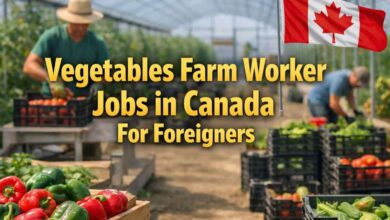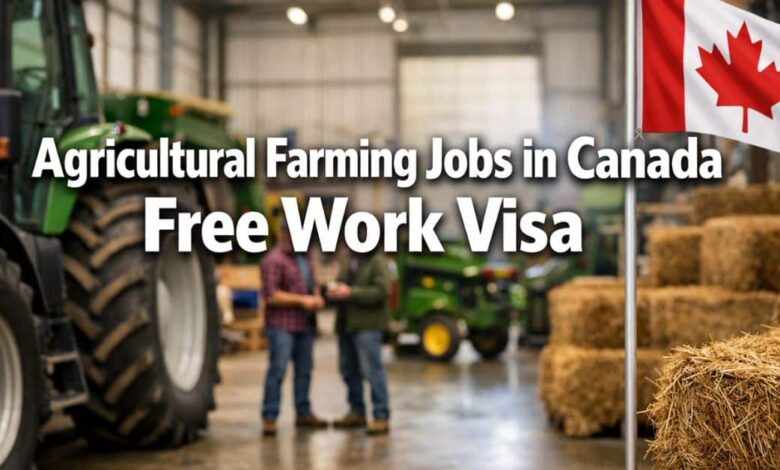
Farm jobs in Canada typically pay between CAD $15 and CAD $30 per hour, depending on the role and experience level. Most entry-level positions, like fruit and vegetable picking, don’t require prior experience, and training is often provided.
These are physical, on-site jobs rather than remote work, offering full-time, seasonal, or sometimes contract-based opportunities across different farming sectors.
Details of Agricultural Farming Job in Canada:
- Country: Canada
- Job Title: Vegetable Picker, agriculture engineer, Agriculture Worker
- Education: No degree for vegetable pickers but degree requirements for other farming jobs
- Visa Sponsorship: YES
- Gender: Male/Female
- Age Limit: No Age Limit
- Nationality: All nationalities can apply.
- Experience: Training will be provided if necessary
- Salary: CAD $15/hour to CAD $30/hour
- Tasks: farm management, engineering, picking vegetables, loading, unloading, and report creation.
- Deadline: Ongoing
Types of Agricultural Farming Jobs in Canada:
In Canada, there are numerous occupations, including agribusiness, food cultivation, and ranching. These are locations where employment opportunities are available.
- Fruit and Vegetable Picker: In charge of the harvesting, sorting, and packaging of fresh produce on farms and orchards.
- Farm Laborer: Executes routine agricultural duties, including irrigation, planting, weeding, and equipment maintenance.
- Livestock Farm Worker: Responsible for the caring of animals, including the feeding, breeding, and maintenance of animal shelters.
- Farm Supervisor/Manager: Responsible for the daily operations, financial management, crop cycles, and worker schedules.
- Agricultural Technician: Provides support in the implementation of new technologies and manages machinery maintenance and soil testing.
- Greenhouse Worker: Responsible for the cultivation and preservation of plants, blossoms, and vegetables in controlled greenhouse environments.
- Poultry Farm Worker: Responsible for the management of poultry production, which includes the collection of eggs, the preservation of hygiene standards, and the sustenance of poultry.
- Irrigation Specialist: Responsible for the installation and maintenance of irrigation systems to guarantee that crops are adequately watered.
- Agricultural Engineer: Develops and designs modern farming apparatus and efficient agricultural systems.
- Tractor or Equipment Operator: Operates heavy machinery to cultivate, harvest, and transport agricultural products.
Check Also: Restaurant Supervisor Jobs in Canada with Visa Sponsorship
Benefits of Agricultural Farming Jobs in Canada:
- Stable Income: Earn competitive hourly wages with opportunities for overtime during busy seasons.
- Low Entry Barrier: Many roles require no prior experience or formal education.
- Visa Sponsorship Opportunities: Some employers support work permits for international applicants.
- On-the-Job Training: Learn practical skills while working, especially in entry-level roles.
- High Demand: Consistent job availability due to labor shortages in the agriculture sector.
- Career Growth: Possibility to move into supervisory or specialized roles over time.
- Work Experience Abroad: Gain international exposure and improve future job prospects.
- Supportive Work Environment: Many farms provide basic accommodation or assistance for workers.
- Physical & Active Work: Ideal for those who prefer hands-on, outdoor jobs.
- Pathway Opportunities: In some cases, experience can support longer-term plans in Canada.
Responsibilities of Agricultural Farming Jobs in Canada:
The agriculture sector in Canada encompasses a diverse array of occupations, including agricultural managers, laborers, technicians, engineers, logistics specialists, and individuals who operate machinery. Some of the responsibilities that are shared among all of these positions include
- Farm Managers:
- Supervising the farm’s daily operations.
- The management of livestock, which encompasses nutrition, breeding, and healthcare.
- Assigning duties and supervising farmworkers.
- Crop cultivation schedules and harvest times are being planned.
- Supervising and maintaining farm equipment and facilities.
- Guaranteeing adherence to safety standards and agricultural regulations.
- Maintaining financial records, procuring supplies, and managing budgets.
- Creating and executing farm management strategies to optimize productivity and efficiency.
- Vegetable and Fruit Pickers:
- Harvesting vegetables and fruits in accordance with the quality and maturity standards of the crop.
- Harvested produce is sorted and graded.
- Produce packing and preparation for transportation.
- Operating harvesting apparatus, including hand tools or picking machines.
- Use of protective devices and adhering to safety protocols during harvesting operations.
- Ensuring that the harvesting areas are kept tidy and organized.
- Laborers:
- Assisting with routine farm duties, including irrigation, weeding, and planting.
- Operating machinery for the purpose of field preparation and maintenance.
- Loading and unloading farm supplies and products.
- Farm equipment and instruments necessitate cleaning and maintenance.
- Executing manual labor as required, such as stacking, hauling, and lifting.
- Collaborating with other team members and adhering to the instructions of supervisors.
- Technicians and Engineers:
- Executing technical duties associated with the maintenance and repair of farm equipment.
- Conducting routine inspections and troubleshooting machinery malfunctions.
- The installation and calibration of agricultural technology systems, including automated machinery and irrigation systems.
- Assisting in the development and execution of agricultural infrastructure initiatives.
- Conducting experiments and tests to enhance the health of livestock or produce yields.
- Generating reports and analyzing data regarding agricultural processes and performance.
- Logistics and Equipment Operation:
- Overseeing the inventory and logistics of agricultural products and supplies.
- The operation of tractors, trucks, forklifts, and other equipment for the purpose of transportation and processing.
- The act of loading and offloading agricultural products for storage or shipment.
- Guaranteeing that harvested cereals and livestock products are stored in appropriate conditions.
- Engaging in the coordination of suppliers, distributors, and transportation providers to ensure the timely delivery of goods.
- Ensuring that inventory, shipments, and equipment usage are accurately documented.
Countries That Are Eligible:
- Sudan
- Anguilla
- Antigua and Barbuda
- Nigeria
- Barbados
- Dominica
- Grenada
- Jamaica
- Pakistan
- Mexico
- Montserrat
- Saint Kitts and Nevis
- Saint Lucia
- India
- Saint Vincent and the Grenadines
- Trinidad and Tobago
- Bangladesh
How to Apply for Agricultural Farming Jobs in Canada Free Work Visa?
Getting started is simpler than most people think if you follow the right steps.
1. Search for Verified Job Listings
Use trusted platforms like the Job Bank Canada official job portal, Indeed job search platform, and Workopolis Canada jobs site. Focus on listings that clearly mention “LMIA approved” or “visa sponsorship available.”
2. Prepare a Simple, Clear CV
Highlight any physical work, farming experience, or labor-related skills. Keep it clean and easy to read no need for complicated formats.
3. Apply Directly to Employers
Submit applications through job portals or company websites. Some farms also hire through recruitment agencies just make sure they’re legitimate.
4. Attend Interviews (If Required)
Most interviews are short and practical. Employers usually check your willingness to work, physical fitness, and availability.
5. Secure a Job Offer + LMIA
Once selected, the employer may apply for a Labour Market Impact Assessment (LMIA) this allows them to legally hire foreign workers.
6. Apply for a Work Visa
After receiving your job offer and LMIA, apply for a work permit through Immigration, Refugees and Citizenship Canada (IRCC).
7. Get Ready to Travel
Once approved, arrange your travel, documents, and accommodation (some employers help with housing).
Conclusion:
Agricultural jobs in Canada offer accessible opportunities with decent pay, minimal entry barriers, and roles for both beginners and skilled workers. With strong demand and visa sponsorship options, they provide a practical pathway for international workers to gain experience and stability. For those ready to work hard, these roles can open doors to long-term growth and a better future.
Frequently Asked Questions:
Do I need experience to apply for farm jobs in Canada?
No, many entry-level roles like fruit and vegetable picking don’t require experience. Training is usually provided.
Is a degree required for agricultural jobs?
Not for basic roles. However, positions like agricultural engineers or technicians may require relevant qualifications.
Are these jobs permanent or seasonal?
Most farm jobs are seasonal, but some can lead to long-term or permanent opportunities depending on performance and employer needs.